IT operations is no longer a cost to minimize – it’s a competitive advantage to maximize. In an era where AI models demand continuous availability and edge computing is reshaping industrial processes, the difference between Managed Service Provider (MSP) and traditional support has become the difference between leading the market or lagging behind.
There is a widespread misconception that IT operations are essentially a hygiene factor – something that should only be noticed when it stops working. But in 2026, the rules of the game have been redrawn. For those Swedish companies that are now integrating heavy AI models and automated processes into their core business, operations have been transformed from a pure cost item to a critical enabler.
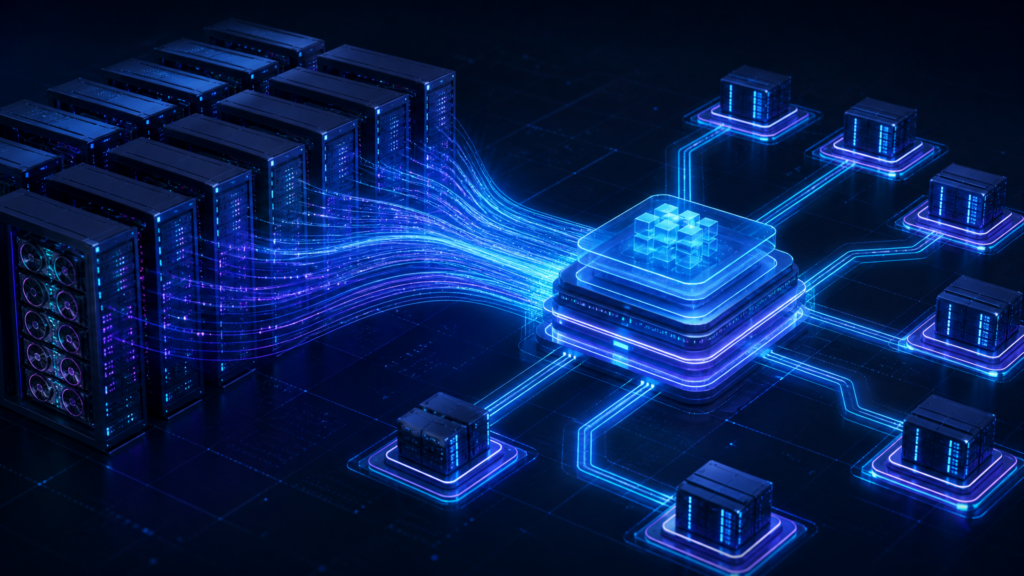
The rapid acceleration in machine learning and edge computing places demands that traditional IT management is rarely designed for. Modern industrial environments require an infrastructure that is proactively optimized to handle huge computational loads without compromising security. At Aixia, we see how our customers increasingly demand a partner who can orchestrate the entire chain – from the physical GPU clusters in the data center to the outermost network point on the factory floor.
Sovereignty as a competitive advantage
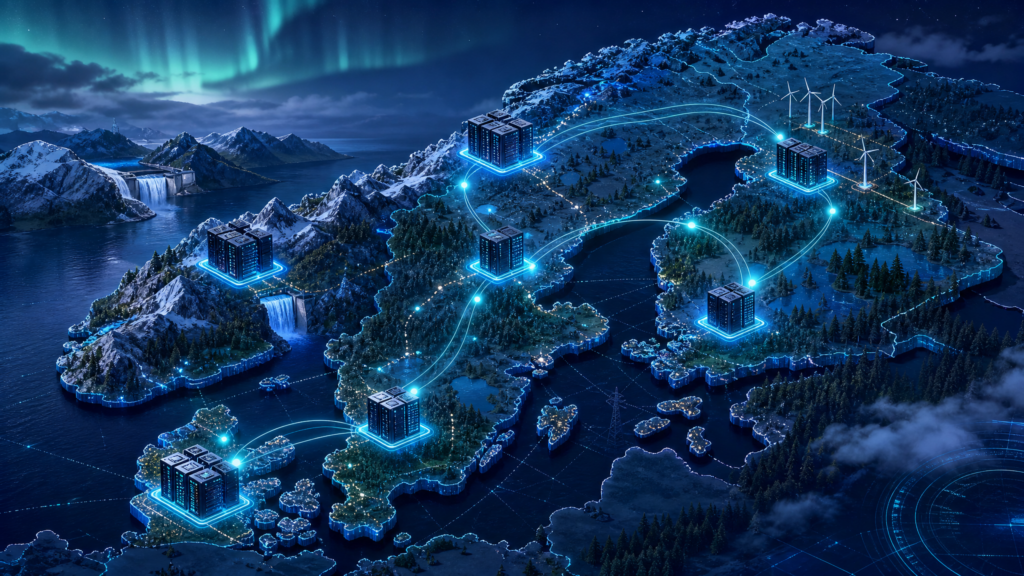
In a context of geopolitical uncertainty, the concept of digital sovereignty has moved from being a legal talking point to a concrete business strategy. Having full control over your data fleet and knowing exactly under which jurisdiction your critical systems are running is a prerequisite for long-term stability.
When you choose a Swedish-owned partner for your hosting services, you eliminate the risks of foreign cloud platforms’ reach and changing terms of service. In times of uncertainty, this is not just a legal issue – it’s a business-critical strategy. You need a digital home where you own your own keys.
From maintenance to continuous optimization
A modern operational service is very much about invisible intelligence. Through AI-powered monitoring, we can now anticipate network bottlenecks or signs of degradation in storage systems long before they escalate into actual downtime.
This shift – from reactive maintenance to continuous, data-driven optimization – is the key to lower Total Cost of Ownership (TCO). Instead of spending resources on restoring systems after crashes, the power is invested in fine-tuning performance so that technology keeps up with the pace of business.
What we are seeing happening in the market now is a consolidation where companies realize that they cannot be experts in everything. By outsourcing operations to a specialist who understands the specific requirements behind AI infrastructure and security architecture, the in-house organization can put its focus where it makes the most sense: on innovation and customer value.
The winners of the future will not be those with the largest in-house IT departments, but those with the most flexible and robust infrastructure as the foundation for their growth.
Is your current operating model a roadblock or an enabler for your AI journey?
Let us show you how Aixia’s packaged operational services benefit you:
- Swedish owner with full jurisdictional control
- 24/7 AI-driven proactive monitoring
- Expertise in ML infrastructure and GPU optimization
- Reduced TCO through preventive maintenance
Summary: Modern IT operations is no longer a support function – it’s a strategic investment in your company’s AI future. The right MSP partner gives you not only less downtime, but an infrastructure that actively drives your transformation forward.