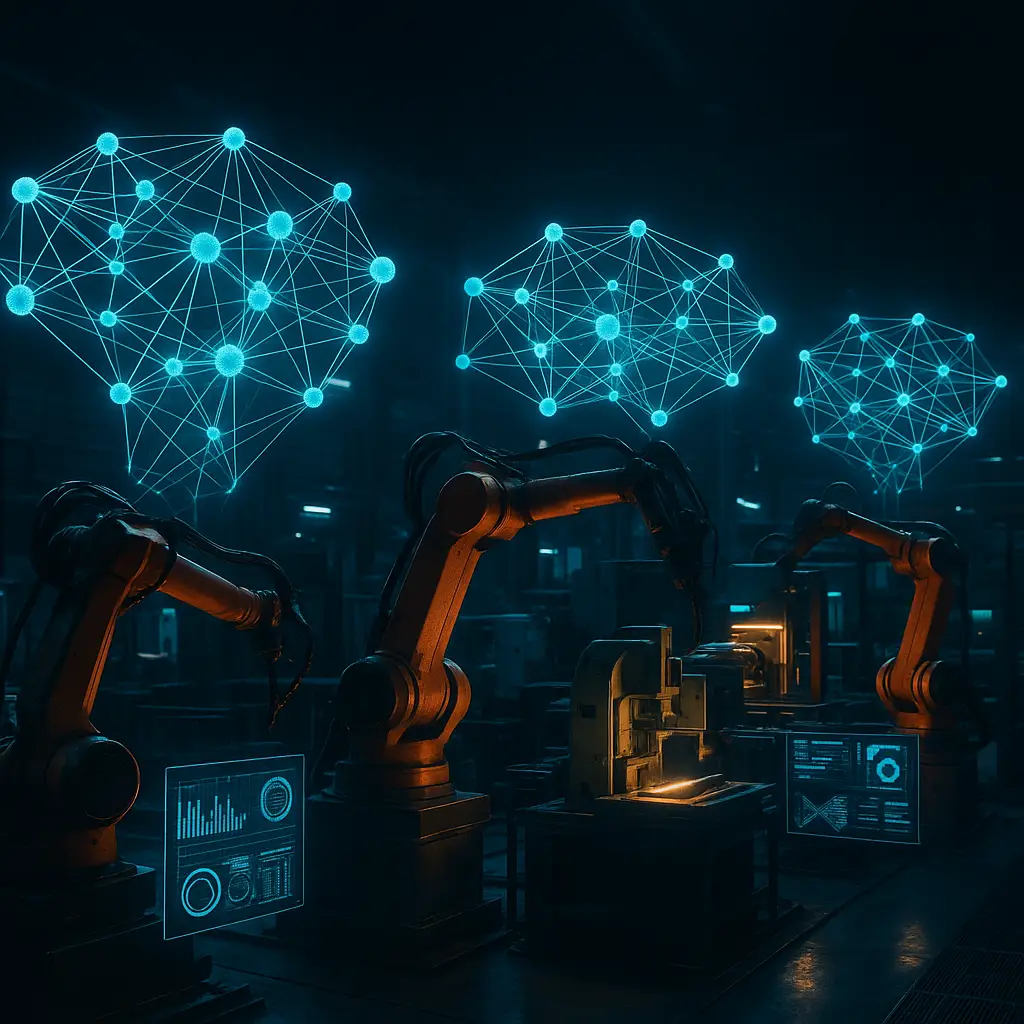
Digitalization is often talked about as something that will happen “later”, but the truth is that we are currently in a major shift. According to Bain Research, almost half of all industrial revenues are expected to be directly linked to AI-based solutions by 2030. For a Swedish manufacturing company, this means something quite tangible: AI has stopped being an IT project and has become the very engine of the business model.
If we look at industries like pharma and food, they have already taken the lead. There, it’s about everything from shortening lead times in research to optimizing production with a precision we have not seen before. Now we see how this wave is rolling in over the automotive and heavy process industries – the very backbone of the Swedish economy.
What we are seeing is the move from classical automation (machines that do exactly what we programmed them to do) to industrial intelligence (systems that actually figure out how to perform best based on the conditions).
Why 2030 is closer than it looks on the calendar
The fact that 2030 is only four years away may seem stressful, and it is. If half of your revenue is going to be driven by AI in four years, you can’t wait to build the foundations. The companies we see succeeding best are those that have stopped “testing a bit of AI” and started to see it as an industrial asset, just like a new factory or a piece of machinery.
But what does it take to actually get there? Here are three things that we at Aixia see that Swedish companies need to address immediately:
From control to intelligence
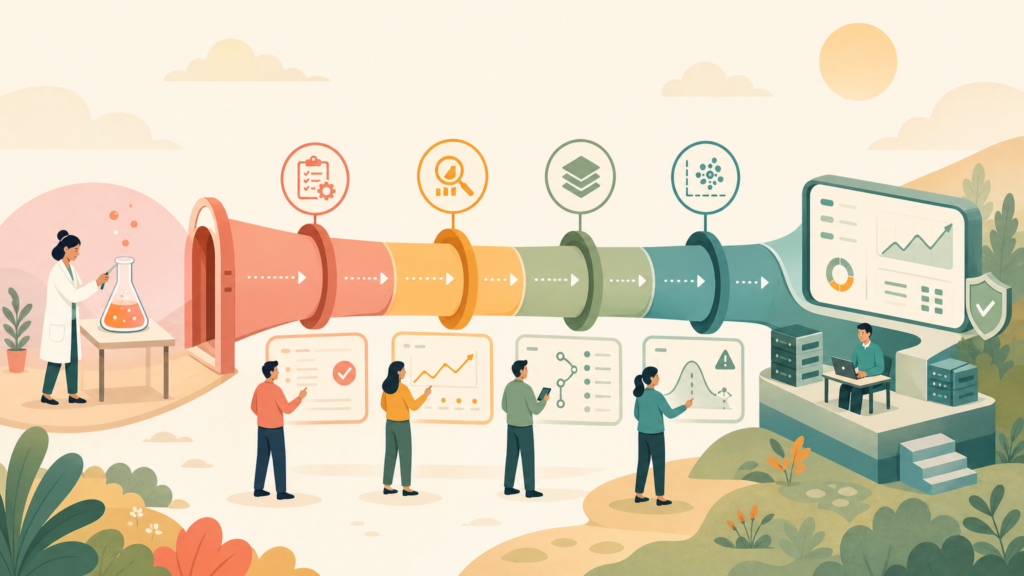
Traditional automation is about control. Industrial AI is about managing variables and uncertainty in real time. It requires an infrastructure that doesn’t just ‘spin’, but can swallow huge data flows without crashing. Is your data still stuck in the old silo? Then the AI will never take off.
Infrastructure as your new profit machine
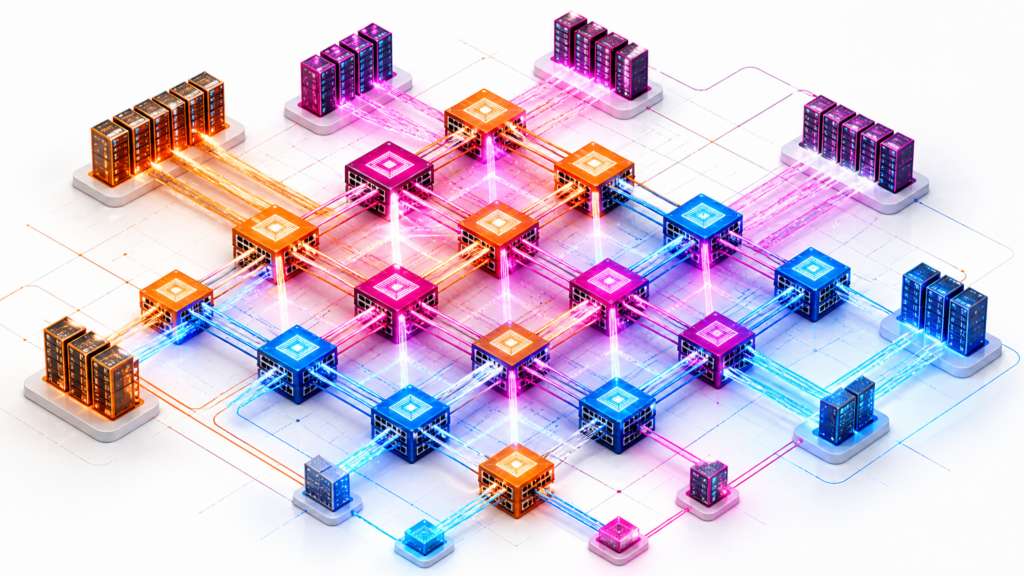
It’s time to stop seeing IT infrastructure as a boring cost item. In the new industry, computational power and data pipelines are the very basis of making money. If you don’t have the right GPU power or a scalable environment, you simply won’t be able to run the models that your competitors are using to lower their costs.
Sovereignty – who really owns your brain?
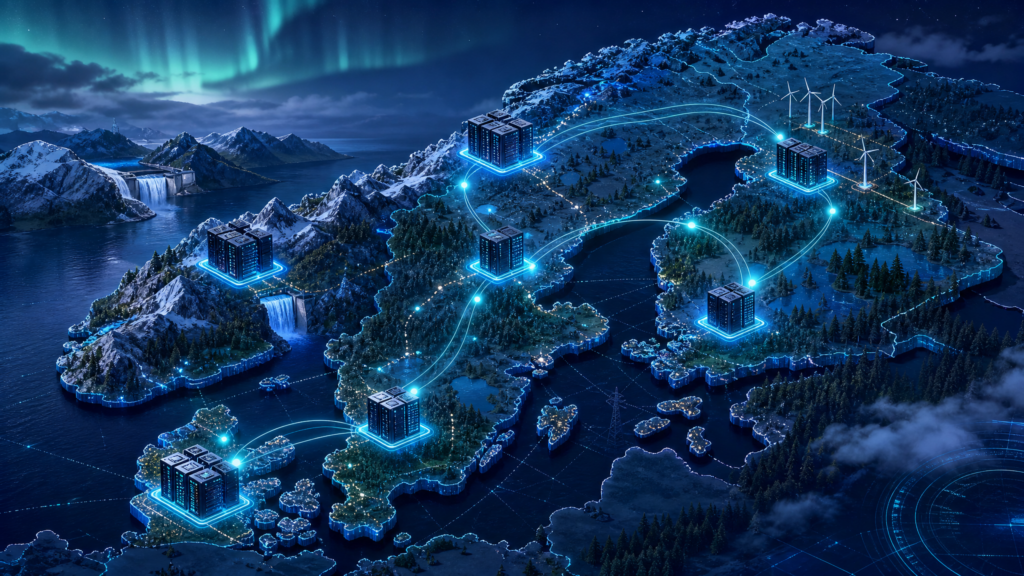
When AI becomes part of the profit machine, the risks increase. We cannot send Swedish industrial core competence out into any cloud. Owning and controlling our own data and models – what we call sovereignty – has become a matter of pure survival. This is where the local, Swedish operation becomes a huge security.
How we at Aixia make it happen
We have spent the last few years helping Swedish industrial companies prepare for exactly this. We know that the step from a successful pilot to a solution that actually generates money is difficult. That’s why we built AiQu.
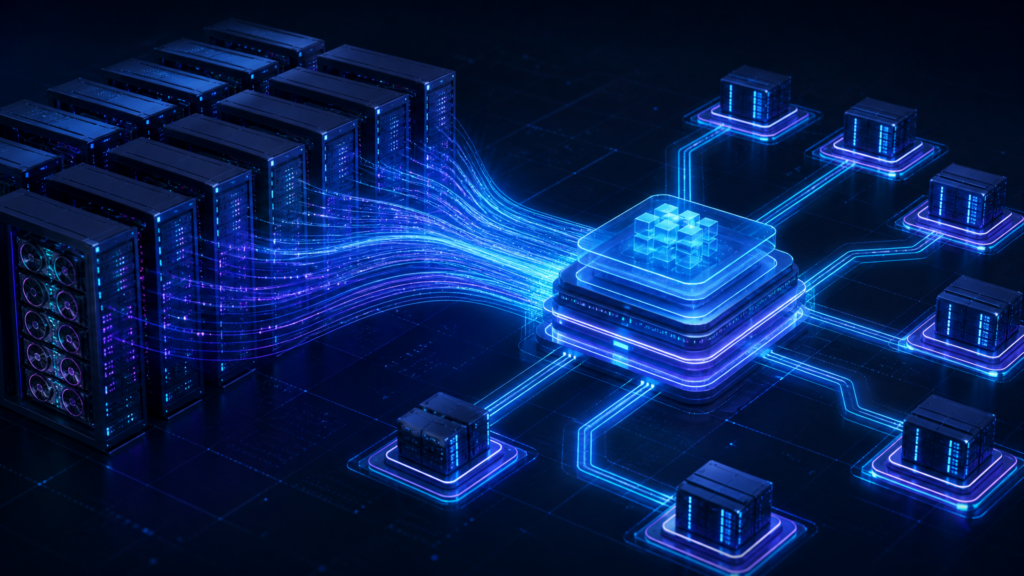
AiQu is not just another piece of software; it’s the engine that allows you to scale your AI for real. It makes sure you have your resources in order and your data pipelines secure. Quite simply, we’ll help you build that “AI factory” that allows you to not just read about the future, but actually own it.
The truth is quite simple: companies that don’t have a plan for their AI infrastructure today will have a very hard time defending their market share in just a few years. It’s not about having the coolest algorithm, it’s about having the most stable foundation to run it on.
Are you ready to move from automation to industrial intelligence?
Get in touch with us at Aixia. We’d love to discuss where you are today and how we can help you secure revenue for the next decade.
Sources
– Bain & Company – Industrial Automation from Control to Intelligence