5 Signs That Your IT Infrastructure Needs a Reality Check
Target Audience: CFO, CEO, Board of Directors | IT Strategy & Executive Management
With the global server market growing by 30 percent annually while delivery times are doubling, it is no longer enough to update the IT strategy every three years. According to Gartner’s analysis of data center consumption, demand for AI infrastructure is accelerating so rapidly that power grids in certain regions are approaching their capacity limits (Gartner/Next Platform, June 2026). Here are five concrete signs that your plan needs to be revised now, not next fiscal year.
Your IT budget is only enough for maintenance, not development
If more than 70 percent of the IT budget goes toward keeping existing systems running—server upgrades, license renewals, emergency patches—that’s a red flag. In a market where AI servers consume a growing share of global electricity and delivery times range from 6 to 12 months, it’s not enough to be reactive. The budget must allocate funds for strategic infrastructure that meets the business’s needs for 2028–2030, not 2026.
You manage “shadow IT” for AI projects in the cloud
When the marketing department signs its own ChatGPT Enterprise agreement and the production team runs ML models on a private AWS instance without the IT department’s knowledge, you have shadow IT. This creates cost control issues, data security risks, and governance gaps. Every department that procures its own AI infrastructure fragments both the budget and the data architecture.
Your data center looks the same as it did in 2019
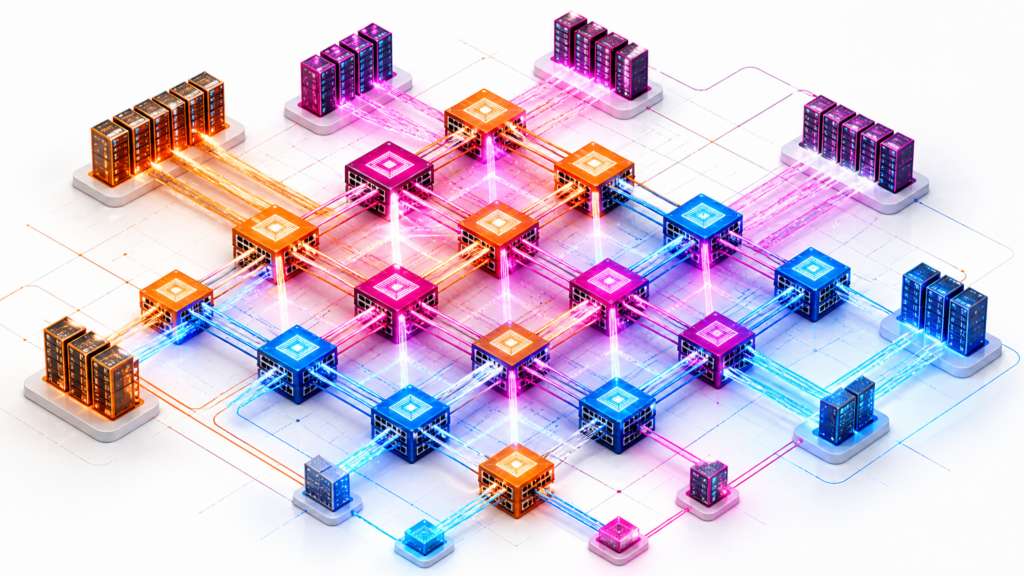
If your data center is still running on the same rack configuration, cooling system, and network topology as it was five years ago, you’re not prepared for the new reality. AI workloads require different cooling, different density, and a different network design than traditional workloads. The global upgrade of non-AI systems is happening in parallel with the explosive growth of AI infrastructure— doing neither is not an option.
Vendors talk about a “roadmap” but won’t deliver until 2028
When every vendor presentation ends with a roadmap stating that the solution you need will be available “in the next generation” or “in 2028,” you need a reality check. Delivery times are currently doubling across the entire industry. Decisions made today won’t have an impact for another year—and by then, the infrastructure should already be in place, not still in the works.
The CFO and CTO Speak Different Languages at Budget Meetings
If the CFO asks about the ROI on GPU investments and the CTO responds with TFLOPS, you have a communication problem. IT investments can no longer be an isolated technical issue—they are business-critical decisions that require the finance and technology departments to speak the same language. Without a shared understanding of what the infrastructure is supposed to deliver—and at what cost—every budget meeting becomes a battle rather than a planning session.
▶ Gartner’s Analysis: Data Center Usage Is Skyrocketing
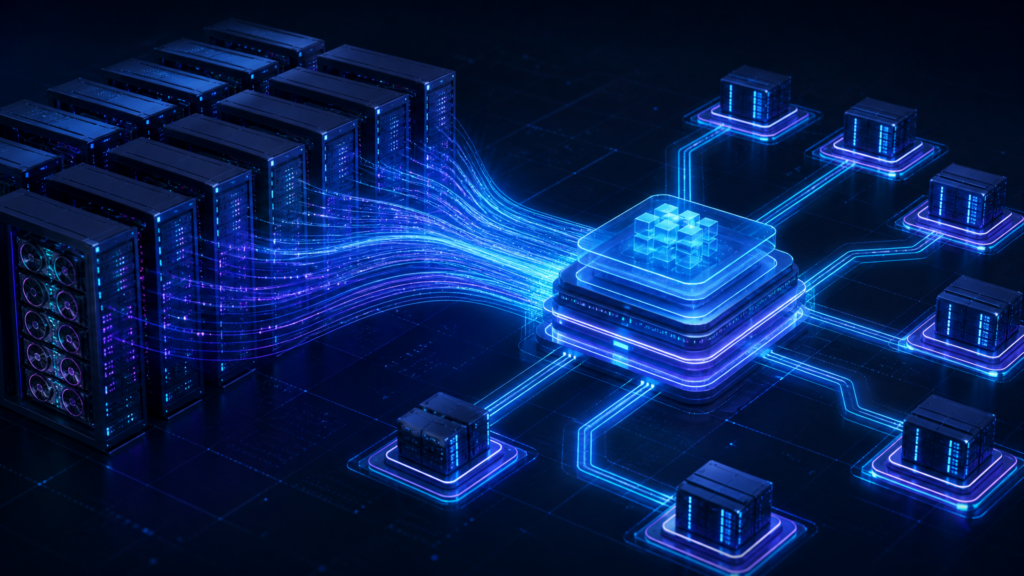
Gartner’s analysis of data center energy consumption shows that AI servers account for a growing share of global electricity consumption, while power grids in some regions are approaching their capacity limits. Globally, there are approximately 11,500 to 12,000 large data centers, plus an additional 7 million smaller facilities. Total data center consumption has skyrocketed in tandem with the GenAI wave, while a major global upgrade of non-AI systems is underway. For Nordic companies, which often have access to fossil-free electricity, this presents both an opportunity and a responsibility to plan infrastructure that aligns with the reality of 2026–2028. Next Platform — More Power To You And To The Datacenters, June 2026
❓ Frequently Asked Questions
How often should we update our IT strategy?
Currently, the minimum frequency is once a year. We recommend conducting reviews every six months if you are working with AI or cloud migration.
What does “shadow IT” mean in the context of AI?
This happens when departments sign up for cloud services for AI projects on their own, without the IT department’s knowledge, which creates cost control issues and security risks.
Is it really that urgent?
With delivery times of 6–12 months, decisions made today won’t have any impact for another year. The longer you wait, the further behind you’ll fall.
Who should drive this change?
This requires collaboration between the CFO, CTO, and COO. IT can no longer be an isolated function.
🔧 Aixia’s Perspective
Aixia’s consulting services offer independent IT strategy reviews with a focus on realistic plans that align with delivery cycles, budget constraints, and business objectives. We help management teams speak the same language when it comes to IT investments.
Sources:
• Next Platform — More Power To You And To The Datacenters, June 2026
• Next Platform — The Server Boom Balances Price Increases Against Chip Shortages, June 2026