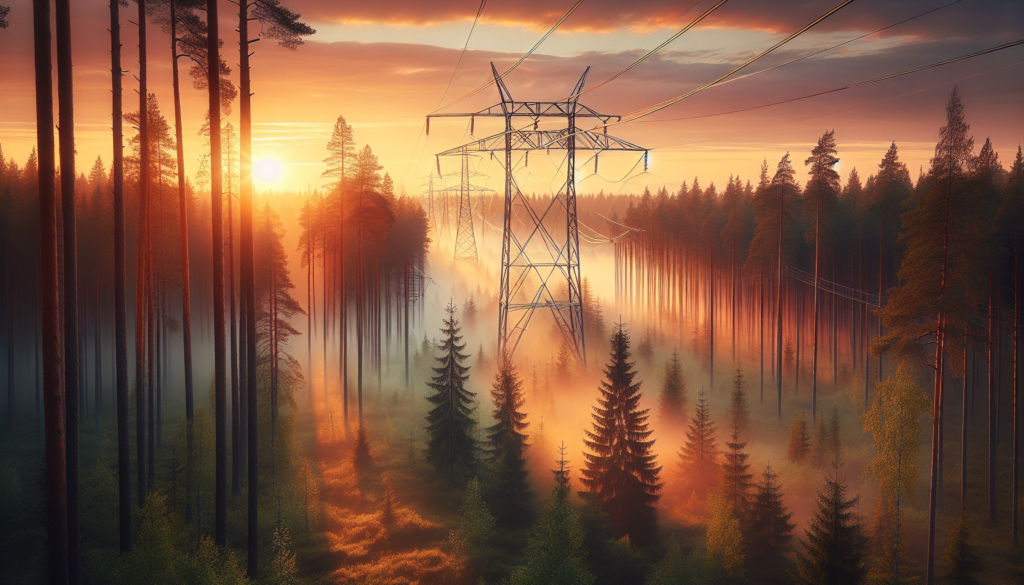
There is a quiet but extremely powerful race going on in the Swedish electricity grids right now, and the figures recently presented by Svenska Kraftnät are nothing short of astonishing. Over the past year, applications for grid connection for data centers in electricity area 3 – the region around Stockholm and Gothenburg – have increased fivefold. We’re talking about a jump from 1,310 MW to an improbable 6,692 MW in just 12 months. To put that in perspective, 6,700 megawatts is roughly equivalent to the combined output of seven large nuclear reactors. That’s the physical price tag of the AI boom we find ourselves in here in March 2026.
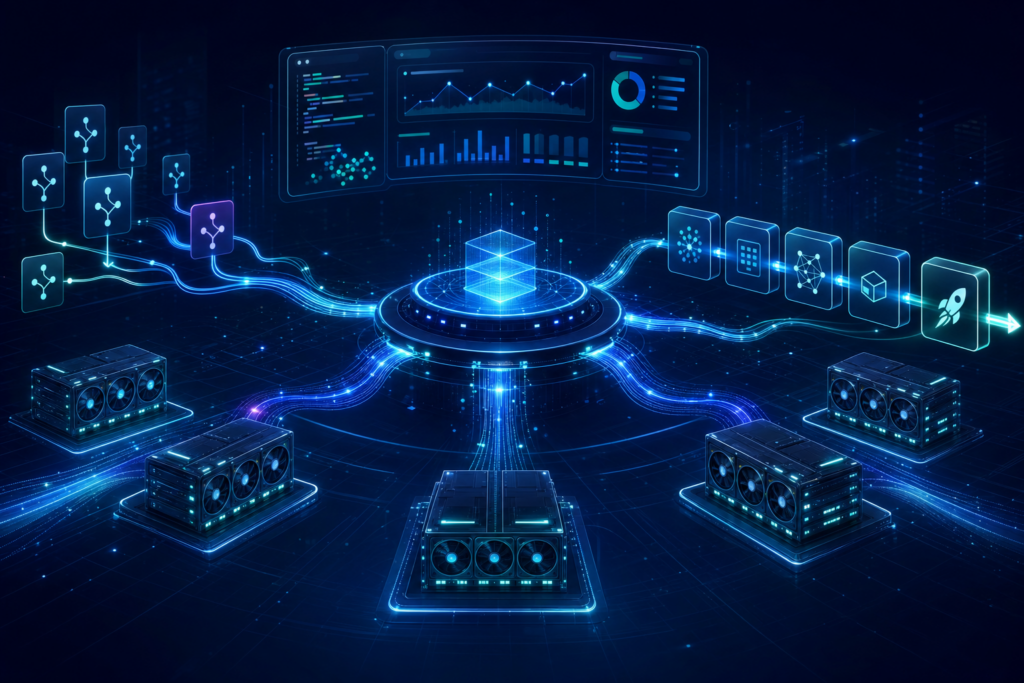
Behind the glitzy presentations about what AI can do for Swedish industry is the stark reality of substations, cooling systems and high-voltage power lines. The huge demand for computational power to train and run advanced models requires electricity in quantities never seen before in the IT sector. But there is a catch that we at Aixia are seeing more and more clearly: the electricity grid in southern and central Sweden is already severely strained. Applying for power is one thing – actually getting it allocated is quite another. We are now seeing the beginning of a ‘power queue’ that could stretch far into the future, meaning the biggest risk for the company’s AI ventures is no longer the software or the skills, but whether there is enough power in the wall when it’s time to press the start button.
As electricity demand soars, another important debate is emerging: where does our data actually live, and how secure is it in an uncertain world? Geopolitical developments have made the issue of data sovereignty more relevant than ever. The debate on whether Swedish data centers can become fully grid-independent is not just about digital security, but about physical and energy resilience. When we build out AI capacity in Sweden, it’s about creating an infrastructure that can stand up even if the world shakes – having control over the entire chain from the physical security of the data center to the energy that powers the servers is Swedish and that the data is handled under Swedish legislation.
For our customers, this development means that strategic planning has become crucial. As the global cloud giants book up huge amounts of power, local Swedish companies risk being left behind. Having access to capacity in local, Swedish data centers is therefore no longer just a matter of speed or GDPR. It’s about securing your place in an electricity system where demand far exceeds supply. Moreover, energy efficiency is becoming a pure business necessity; running your AI loads in a smart and optimized way will soon be the only way forward as electricity becomes a limited resource.
At Aixia, we understood early on that the future of IT operations is not just about ones and zeros, but about the ability to manage the physical infrastructure behind them. The figures from Svenska Kraftnät are a clear warning bell, but also proof of the enormous innovative power that exists in our region right now. We continue to invest in our own environments to ensure that our customers not only have access to the latest technology, but also the power and security to actually use it – no matter how hard the AI boom continues to challenge the grid.
Are you facing an AI initiative and wondering how to secure your future capacity in a strained electricity grid? Let’s discuss how we can help you navigate the new energy landscape and build a solution that is both powerful and safe on Swedish soil.