Arista Expands Its AI Network to 1.6T: First Switches to Ship This Fall
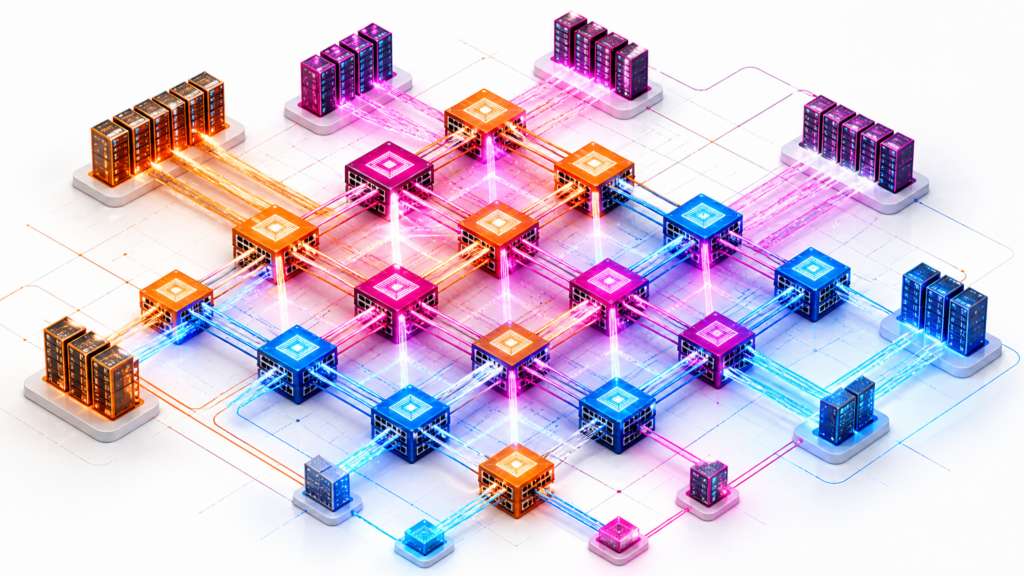
Arista is launching its first 1.6T Ethernet portfolio for AI networks, built on Broadcom Tomahawk 6. What does this mean for Swedish data centers—and why has Ethernet gained ground in AI?
Storage for AI: Why GPU Clusters Struggle Without the Right Data Platform
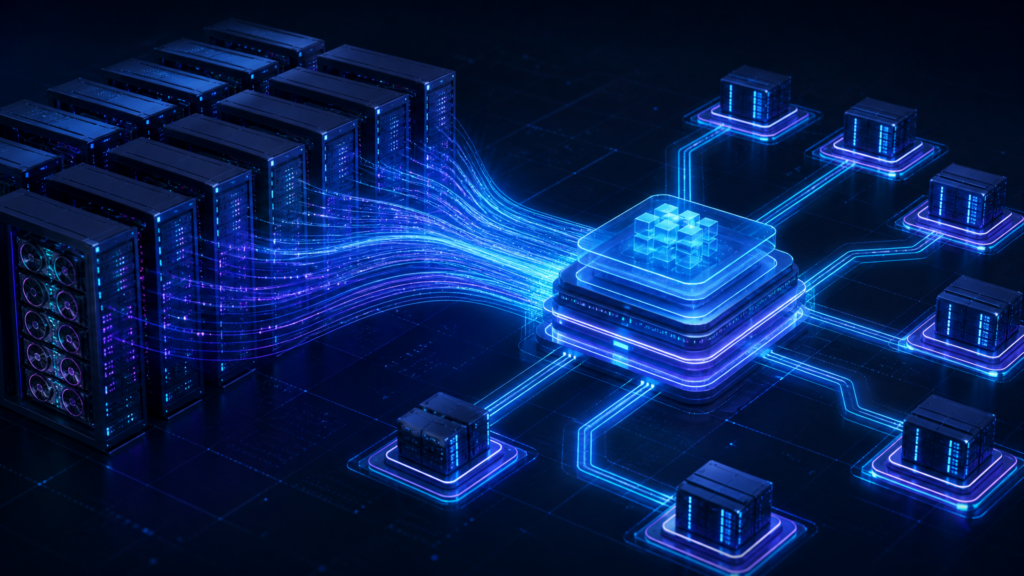
A GPU can only operate as fast as the data reaching it allows. Here’s why AI places different demands on storage, what a parallel file system brings to the table, and how you can prevent I/O from becoming a bottleneck.
Can Europe compete with China’s supercomputers?

China’s LineShine tops the TOP500 with 2.198 exaflops. But Europe’s response is JUPITER, LUMI, and Arrhenius. Here’s what Nordic companies need to know about supercomputer geopolitics and practical HPC strategy.
When the GPUs are waiting for the network
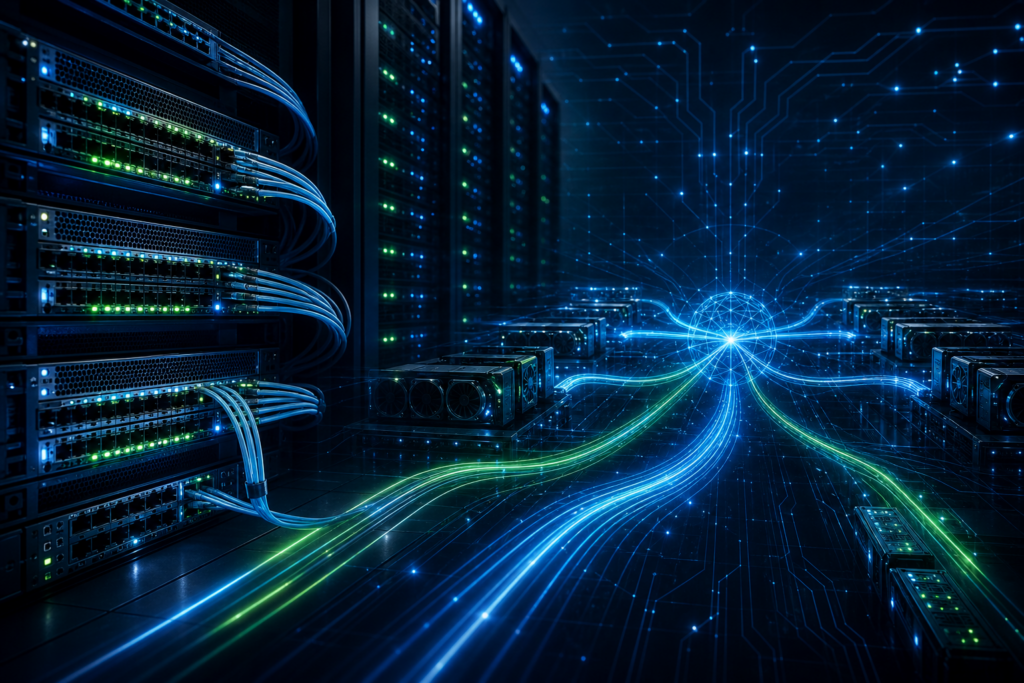
Det finns en punkt där ett AI-kluster slutar handla om hur många GPUer man har köpt. Den punkten kallas nätverket. Det låter kanske märkligt, eftersom nästan all uppmärksamhet i dag […]
Interview with ML engineer: “We got back one working day a week – per person”

When scalable AI is discussed, it is almost always about enterprise companies with dedicated platform teams. For smaller growth companies, the reality is different. Here, there is rarely anyone who […]
Storage architecture 2026: When is NAS enough and when do you need something else?
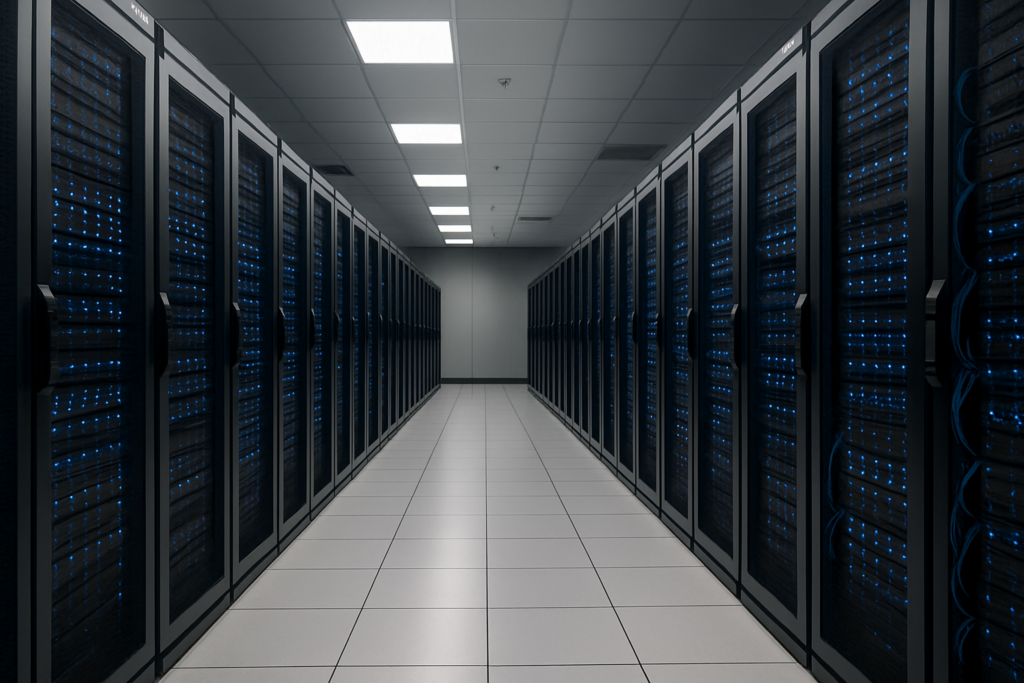
Data volumes are exploding. AI training data, 4K video and CAD models are placing new demands on storage. Learn when NAS is enough and when you need SAN, object storage, or modern platforms like VAST, WEKA, and Pure Storage.
Backup is not DR – and the difference could cost you business
Almost all companies have backups. But ask an IT manager when they last actually tested the recovery – not just ran a script and got a green checkmark. That’s the difference between backup and disaster recovery, and it can cost you business.
Agentic AI: Is your infrastructure ready for ’employees’ of code?
We have just left the phase where AI was something we chatted with to get answers. Now we are entering the phase where AI actually does things for us. Gartner […]
Running out of silicon: How will Swedish companies secure their computing power until 2028?
The world’s leading chip manufacturer, TSMC, has now made the announcement that will shake up the technology world: its capacity for manufacturing advanced microchips is fully subscribed until 2028. For […]
Beyond checkmarks at the edge: How NIS2 turns your infrastructure into a strategic asset

NIS2 is not just compliance – it’s an opportunity to build truly resilient infrastructure. Learn how network security, cyber resilience and data sovereignty become your strategic advantages.
