If we look back at the last few years in the AI world, we see a clear pattern. In 2023, it was all about generative AI and the first tentative steps with large language models. Then, as we stepped into 2024, the RAG architecture became the big buzz because we realized that the models needed access to our own data to actually do good.
But now, as we look ahead to 2026, it’s clear that the conversation has shifted focus again. Now everyone is talking about AI agents.
However, there is a significant gap between how the agents are presented in sales materials and what it actually means to build them in a way that works in the harsh reality.
What do we actually mean by Agentic AI?
When we talk about Agentic AI, we mean systems that don’t just answer questions but actually plan, act and iterate on their own. It’s about an AI that runs tools, looks up information, and makes small decisions along the way to reach a complex goal.
This is completely different from a regular chatbot or a static RAG system, and it presents us with completely new technical challenges.
One of the biggest changes
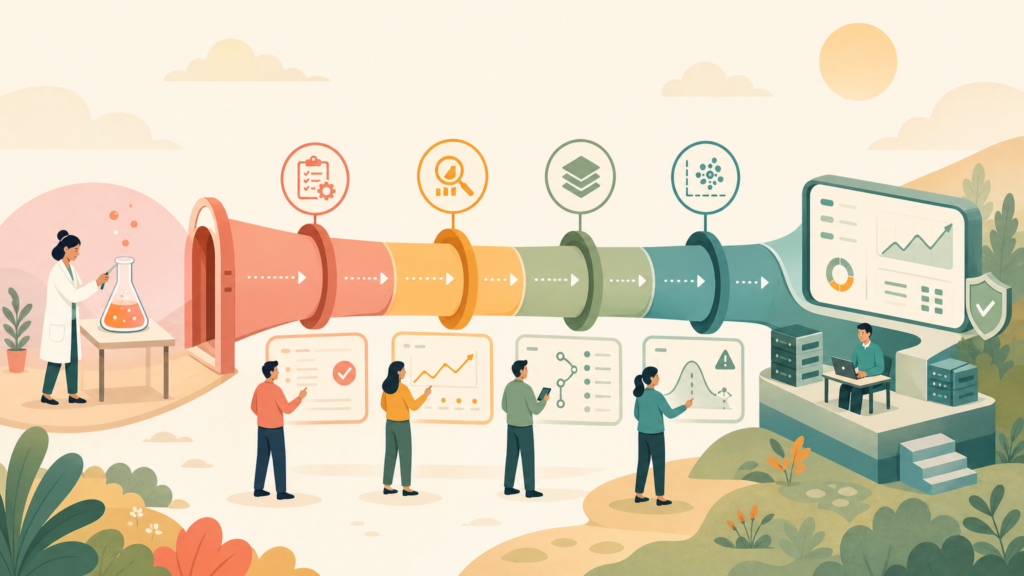
We are leaving the linear and predictable processes behind. In a traditional AI pipeline, you put in a question and get out an answer. Agents, on the other hand, work more like living organisms that can choose to make three calls or a hundred depending on the nature of the task.
This changes the entire cost model. Without tight controls and clear roadblocks, a single agent can, in the worst case, drive up API costs and resource consumption in ways that no one could have predicted.
The security aspect becomes much more critical
When we give the system the ability to act instead of just talk, the risks increase dramatically. A chatbot spreading misinformation is obviously a problem, but an agent that deletes data, sends sensitive emails or makes incorrect API calls is a completely different caliber of risk.
This requires extremely clear permissions and control steps. We also need to take the threat of prompt injection very seriously.
Infrastructure requirements that are often underestimated
Agents need an environment that can handle errors without the whole process breaking down, and they need to be able to save their state. This requires a completely different kind of monitoring – we need to be able to follow every single decision to understand why the agent acted the way it did.
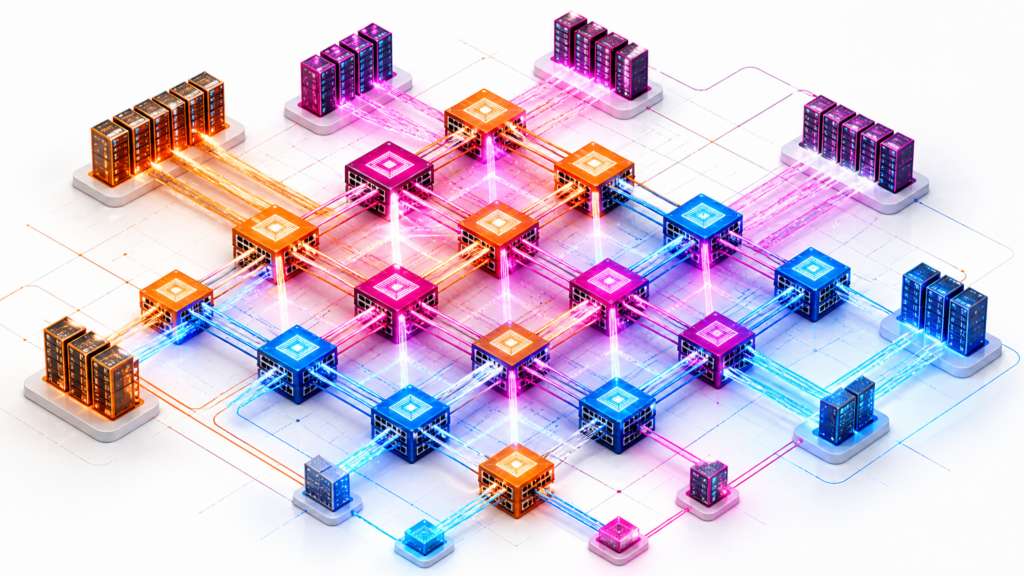
In addition, each agent run needs to be isolated so that one resource-intensive task does not bring down the whole system.
What does this mean for you?
Agentic AI is not a temporary trend but a logical development. But it’s still early days and those organizations that start experimenting thoughtfully now will be in the driver’s seat.
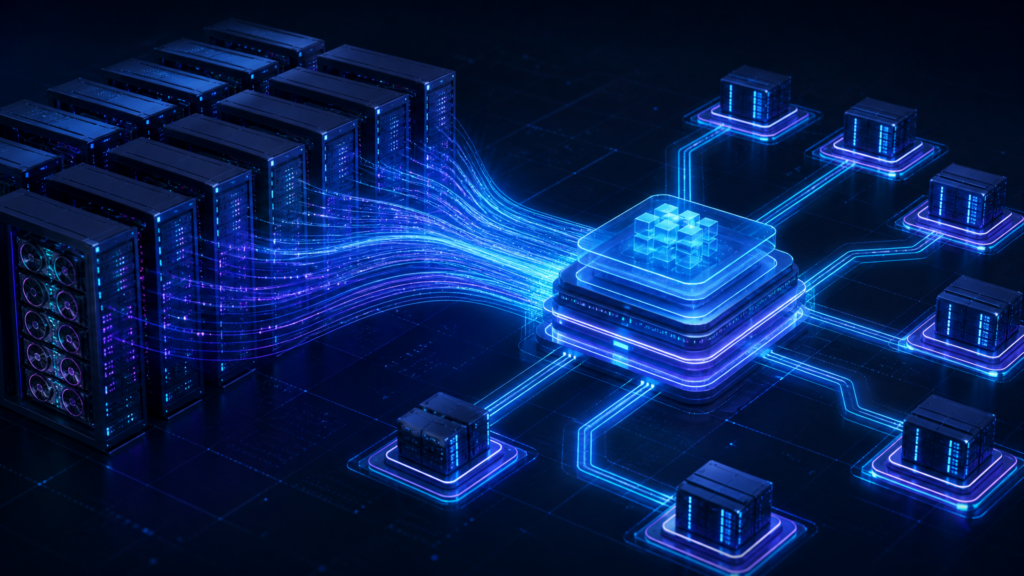
The key takeaway is that agents place extremely high demands on a solid foundation. It’s about building the right foundation today, not necessarily because you have to roll out agents tomorrow, but so that you don’t have to rebuild your entire infrastructure once you’re ready to take the next step.
We at Aixia are happy to discuss what this means for your unique setup, and you can read more about how we work with AiQu at aiqu.ai.